

Nature has created a number of bioluminescent wonders, examples of which can be found throughout nature. One well-known type of this phenomenon occurs when an area of water glows brightly under night skies due to bioluminescent algae or phytoplankton. Traveling to see this phenomenon has always been popular, and many people continue to seek out the best places in the world to witness bioluminescence. They want to know what time you can see the bioluminescence occur?
This guide helps people identify which bodies of water worldwide host bioluminescent tides and offers tips for making the most of their experience viewing these amazing displays.
Several locations offer abundant bioluminescence, with certain destinations offering the Highest levels of clarity and consistency of bioluminescent Tides around the world.
Mosquito Bay is repeatedly rated among the top Bioluminescent Bays worldwide and holds the Guinness World Record as the World's Brightest Bay. When disturbed, the water will produce a brilliant glow. This creates the most amazing glowing trails, making this an ideal Bioluminescent Bay for visitors seeing this for the first time!
This island is well known for its shining beaches, commonly referred to as “The Sea of the Stars”. The ever-brightest Bioluminescent Tides in the World create a fairy-tale appearance, making this one of the top Bioluminescent Bays Worldwide for romantic vacations and luxury experiences.
Toyama Bay is a Bioluminescent Destination driven by Firefly Squid vs typically driven by Plankton as in most locations. Due to this unique phenomenon, Toyama Bay is a Bioluminescent Destination, offering attractions and marine Bioluminescence from plankton, listed as a potential Unique Attraction.
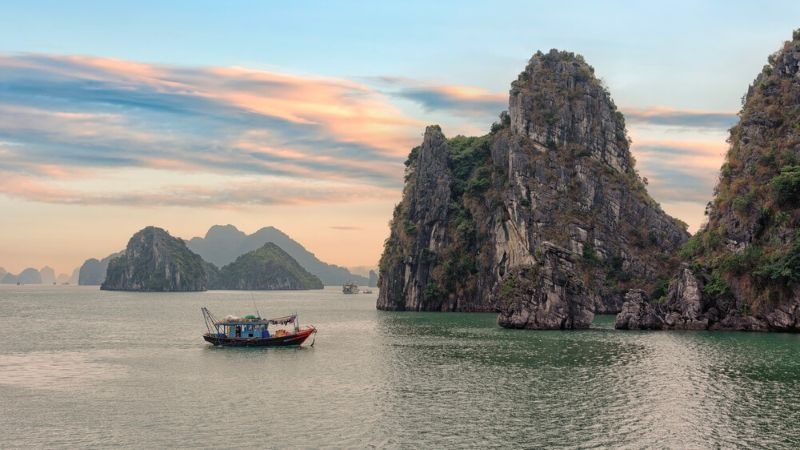
In Halong Bay, Vietnam, this UNESCO Site has been documented as providing locals and tourists with the opportunity to Kayak in Bioluminescent water, creating a unique Bioluminescent Experience.
Knowing "When does Bioluminescence occur?" is key to planning your trip to see the world's best bioluminescent displays.
The best time to see bioluminescence is after dark, usually between 8 pm and midnight (after sunset). The more light you have around you, the easier it will be for you to see bioluminescent organisms glowing in their environment. You can expect this same timing for any of the best bioluminescent bays in every country on Earth.
The ideal time of the month for viewing bioluminescent organisms is when there is no moonlight (new moon), so there will be no interference when viewing the glow. When there is minimal moonlight, the glow of the bioluminescent organisms is significantly easier to see than if any moonlight were present; therefore, to see some of the largest and brightest bioluminescent waves on Earth, be sure to go fuel boating during the new moon phase.
Some locations have peak seasons for experiencing the bioluminescent glow; for example, Toyama Bay is at its finest generally from March through June, while tropical areas like Mosquito Bay are visible year-round. Knowing when to go and when the bioluminescent waves will occur seasonally will enhance your overall experience.
Read Next: Top Stargazing Destinations With The Clearest Night Skies
Planning is important when finding the best spots to view bioluminescence! Choose dark, moonless nights and low-light locations to experience the brightest, most magical glow.
When experiencing the world's most brilliant bioluminescent tides, kayaking is the most popular way to do so. By Kayaking, you can engage with both water and create a trail of light behind you. You will also have access to swimming in some of the top bioluminescent bays around the globe.
Light pollution makes it challenging to see bioluminescence. When planning your trip, make sure to find locations that are remote or guided tours within a dark environment. It is important to consider this if you'd like to make the most out of your trip to the best places to see bioluminescence.
Bioluminescent habitats are delicate ecosystems; therefore, you should avoid putting chemicals (sunscreen/insect repellent) in the water. By helping protect the habitat, you ensure that those who visit after you can enjoy the world's brightest bioluminescent tides.
When travelling, you can have tremendous success by using a local tour guide. They can tell you when the bioluminescence appears and where the best places are to witness it. Guided tours not only provide safety when viewing but also give you the best chance of experiencing the glow.
Don't miss out: Top Luxury Train Journeys That Redefine Travel Comfort
In summary, these are some of the most beautiful places to see bioluminescence in nature, making for an incredible travel experience. Some of the most beautiful bioluminescent tides and unique bioluminescent bays. By knowing when to see bioluminescence as well as selecting among the best bioluminescent bays globally, you’ll be able to create a seamless, magical experience on your trip! If properly prepared and timed correctly, you’ll have the opportunity to see this magical glowing phenomenon that will last you a lifetime.
The brightness of bioluminescence depends on the concentration of microorganisms, the temperature of the surrounding water, and environmental conditions. The areas with little to no pollution and calm waters should have the most plankton and therefore illuminate the area more brightly. These are the reasons that some locations are among the best places to view bioluminescent lights in the world today.
To successfully photograph bioluminescent light, you will need to use low-light photo technology. This means using long-exposure settings on your camera, keeping it as steady as possible while taking the photograph without using a flash. Your smartphone may have the capability of capturing the faint light emitted by bioluminescent organisms, but your professional camera will yield much better results when photographing bioluminescence in the best bioluminescent bays globally.
In most cases, bioluminescent water is safe to swim in. The organisms that create bioluminescent light are usually harmless plankton. However, you should always check with local regulations to see if there are any restrictions placed on swimming in bioluminescent bodies of water, because they are probably in some form of restriction due to their ecological value and to preserve the brightest bioluminescent tides in the world.
The best weather for viewing bioluminescence is clear skies, calm waters, and little to no wind. Severe weather, including rain or large waves, can affect seawater plankton populations, which can decrease the brightness level of the planktonic glow. Before planning your trip to the best bioluminescent locations in the world, check the weather patterns to increase your chances of seeing bioluminescence.
The answer to that is YES. In addition to coastal regions, some inland areas (lakes or mangroves) exhibit signs of bioluminescent plankton, but for the most part, coastal areas (specifically bays) are the most dependable locations to observe bioluminescence. As such, coastlines and bays are almost always listed as being the best locations in the world to observe bioluminescence.
This content was created by AI