

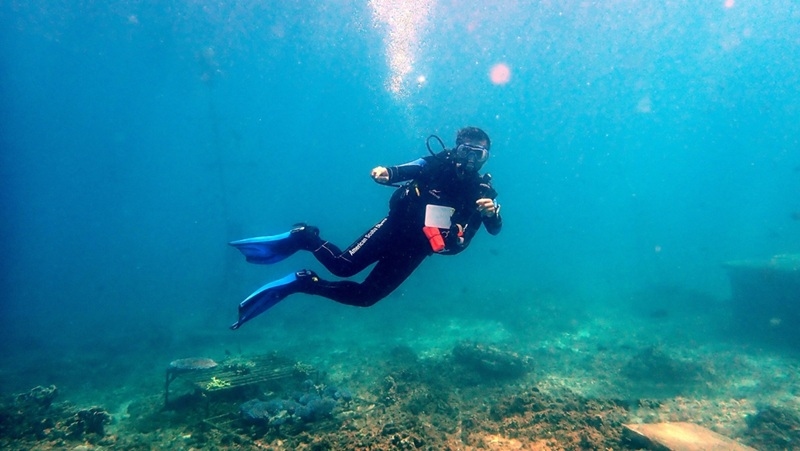
As one of the fastest-growing adventure travel activities, scuba diving has gained a global following of over 6 million active divers. Diving offers a way to connect with nature that is entirely different from any land-based activities, as many locations boast vibrant coral reefs, underwater caves, historic shipwrecks, or tropical marine parks. While entry-level diving is readily available, many locations cater to more advanced divers. When traveling the world for diving, the right location can ultimately determine the success of your diving adventure.
Some travelers are looking for calm waters and bright coral gardens; others are searching for whale sharks, manta rays, or dramatic underwater walls. Regardless of what a diver might be looking for, incredible dive sites exist all over the globe for every skill level and budget. In this guide, we look at some of the best places to scuba dive around the world, why they appeal to so many divers, and what makes each scuba diving destinations unique.
Must Try: Best Budget Travel Tips For Money Saving Adventures
To this day, it is known as one of the most famous scuba-diving locations. This Australian coral reef system spans 1,400 miles of reef diving locations, making it one of the world's largest, with over 400 coral species and 1,500 fish species.
New divers should look for sites around Cairns to gain some experience before moving on to more challenging dive spots, such as The Ribbon Reefs or the Coral Sea, to search for sharks. Visibility levels average 100 feet during the peak diving months (June to October) when most of the marine life is at its most active.
Though the Maldives is mostly known for its luxury travel destinations, it is also a premier spot for scuba diving with some of the most plentiful populations of manta rays and whale sharks. Spanning the Indian Ocean, over 1,000 coral islands create an incredibly vast and pristine dive environment with visibility exceeding 100 feet.
Dive tour boats often include opportunities to drift-dive through channels overflowing with sharks, eagle rays, and tuna, in pleasant year-round temperatures. This location remains one of the top Caribbean destinations for vacationers wishing to dive in breathtaking conditions.
This island has been dubbed the beginner's paradise for scuba diving because many of its 80+ marked sites can be accessed directly from shore by wading in just a few inches. Unlike overcrowded, tourist-filled areas that focus on dive shops, the island has been dedicated to preserving its underwater environment. In addition to preserving the dive sites, many of the island's dive sites host healthy, thriving marine life, including sea turtles, parrotfish, and a variety of soft corals. Photographers particularly enjoy this island for its typical visibility exceeding 100 feet; Bonaire is the perfect place for new divers looking to earn certifications at affordable rates.
Located in the center of Indonesia's Coral Triangle, the richest marine ecosystem on the planet, scientists say this area accounts for over three-quarters of the world's known coral species. As a result, many marine creatures call Raja Ampat home, including pygmy seahorses, manta rays, sharks, and large schools of fish that are characteristic of the area. Though the current can be strong for new divers, many dive operators offer introductory dives, and the most common diving season runs from October to April.
This island is known as one of the best drift diving destinations on the planet, and for good reason. Located off the eastern coast of the Yucatán Peninsula of Mexico, the island sits above the Mesoamerican Barrier Reef System. Divers love to explore Cozumel's vibrantly colored reefs while trying to spot its numerous species of sea turtles, nurse sharks, and tropical fish, though many travelers still know it as a fun beach destination that also offers fantastic diving opportunities. Visibility at this location typically ranges from 80 to 120 feet.
Perhaps the most affordable place on Earth for a world-class diving experience, the Red Sea has become popular among divers of all skill levels, offering everything from historical shipwrecks to vibrant coral gardens and deep walls. Its visibility can exceed 100 feet for most of the year, aided by the country's lack of rainfall and warm climate. Many divers seek out the Brothers Islands to explore deeper parts of the Red Sea and spot large sharks, though they also enjoy the shallow dive sites near Sharm El Sheik and Hurghada for beginner and certification training.
Hawaii is a fantastic scuba diving destinations for travelers seeking to dive off of a volcano with incredible lava tubes, arches, and underwater cliff structures. Known worldwide, the most famous diving trip is at night, with manta rays swimming freely around underwater lights while feeding on plankton in the area. Visibility stays above 100 feet for most of the year, and divers don't need to worry too much about temperature, as it remains a stable, pleasant 70 degrees Fahrenheit year-round.
Consistently ranked among the top scuba-diving locations on Earth, Palau features powerful currents that bring marine life in by the boatload. While known for its abundance of sharks, barracuda, and large schools of fish at sites such as Blue Corner, the country also has the famous Jellyfish Lake, which allows divers to swim among thousands of stingless jellyfish, and prides itself on protecting its environment to keep its dive sites immaculate. Experienced divers particularly love this destination for its advanced diving, but it's possible to find guided diving for almost all levels.
Nicknamed the "Soft Coral Capital of the World," Fiji boasts vibrantly colored reefs that appear to glow underwater. The tropical waters also host thousands of coral species, along with reef sharks, sea turtles, and many brightly colored fish. While not always the least expensive option for a tropical scuba diving, dive destination, Fiji combines pristine waters and extensive biodiversity with exceptionally friendly people, making it a popular destination for divers of all levels. While dive tours offer opportunities to explore many of the reefs throughout the island chain, many seek out Beqa Lagoon to dive with sharks, a once-in-a-lifetime experience.
With the ability to swim with hammerhead sharks, marine iguanas, whale sharks, sea lions, and even penguins on a single dive trip, the Galapagos Islands truly boast some of the most advanced and diverse diving experiences on the planet. Because the water is cold and the currents are often strong, divers must have at least an intermediate diving certification, but the opportunities for once-in-a-lifetime photos with extraordinary marine life cannot be matched at any other location in the world.
Try This: Best Adventure Activities Around the World For Thrill Seeker
No matter what type of diving a traveler enjoys, there is a destination that is perfect for them. Whether a diver is hoping to learn how to scuba dive or seeking out a thrilling deep dive, one of the most iconic destinations for any dive trip will always be present, especially with its wealth of diving possibilities that exist beyond the standard colorful coral reefs and bright fish. As divers continue to discover new dive hotspots around the world, these destinations will remain popular with those wishing to witness the underwater world at its finest. Travelers looking for additional information on global diving trips may also find that Leisure.com is a great resource for further travel ideas.
Most beginner scuba-diving certification programs take 3 to 4 days to complete. PADI, SSI, and others combine theory learning, pool diving, and open-water diving to earn certification. It is also possible for travelers to complete the theory portion of the certification online before going on holiday, thereby reducing the number of vacation days needed on location.
It is the ideal location for beginner scuba diving, as it offers calm water, excellent visibility, and shallow reefs. Bonaire, Hawaii, and certain parts of the Maldives are popular with relaxed diving conditions and a wide choice of certified dive centers. More than a specific location, it is of utmost importance to be accompanied by professional and well-trained instructors and to strictly follow safety procedures.
Most diving schools provide scuba gear, including a mask, fins, regulators, a wetsuit, and a BCD (Buoyancy Control Device), for rental to certified scuba divers and to beginners undergoing scuba certification. Eventually, some may decide to acquire a mask and, in some cases, a dive computer for optimal fit and performance. Beginners, however, are best advised to first dedicate their efforts to learning scuba diving and acquiring certification before investing in costly personal equipment.
This content was created by AI