

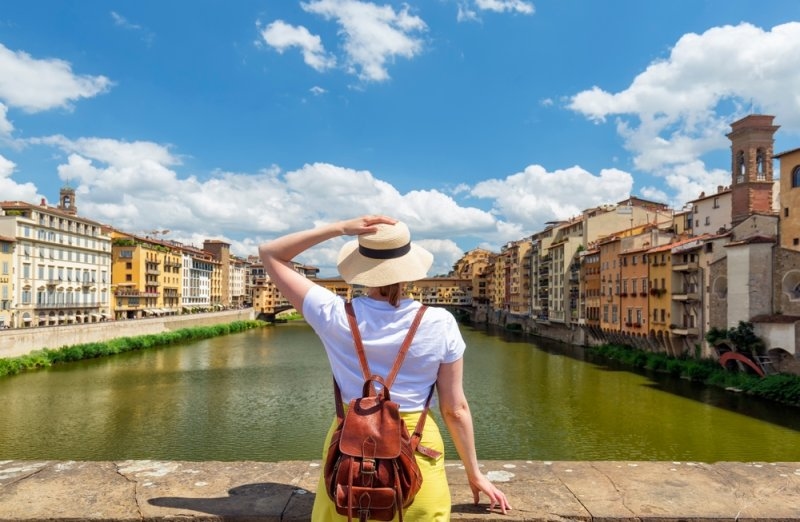
Honestly, Italy’s impossible to pin to one travel style. Something about Rome’s energy, Florence’s sense of culture, Venice’s magic, and Tuscany’s gentle calm—each spot has its thing. Where you should go really depends on what matters to you: history, food, art, beaches, landscapes, or maybe just the freedom to explore without a plan.
For a first trip, people usually have a better time mixing a couple of big cities—like Rome and Florence—with one quieter region, instead of racing around the whole map. That blend hits a nice balance between packed days and downtime. In this blog, you’ll find solid examples for different styles, seasons, and holidays, so you can build a trip that fits.
The best places in Italy vary sharply by travel style, so choosing by experience can save time and unnecessary travel.
Rome belongs on almost every list of best places to visit in Italy for the first time. The Colosseum, Roman Forum, Pantheon and Vatican City create an unusually dense concentration of major sights. Yet Rome is not only monuments. Trastevere, Testaccio and quieter residential streets show another side of the city.
It is one of the best Italy travel destinations for travellers who want several experiences in one stop. Three to four days gives enough room for major attractions without turning every morning into a race.
Florence is among the best cities to visit in Italy when art and architecture matter more than nightlife. The Uffizi, Duomo, Ponte Vecchio and Accademia can fill a short break, while the compact centre makes walking practical.
For travellers comparing Italy vacation destinations, Florence also works as a base for Tuscany. Siena, San Gimignano and Chianti are reachable as day-trip options. That combination makes it one of the most efficient places to visit in Italy for a shorter holiday.
Venice remains one of the most beautiful places to visit in Italy because its setting is genuinely unusual. Canals replace ordinary streets in many areas, while bridges, narrow lanes and small squares create a very different urban rhythm.
It is among the best places to visit in Italy for couples, especially when the trip is kept unhurried. Early mornings and evenings are particularly useful. The city feels different once the busiest daytime crowds thin out.
Don't Miss: Best Honeymoon Destinations in the World for Romantic Bliss
A quick comparison makes the major Italy travel destinations easier to separate instead of treating every city as interchangeable.
| Destination | Best for | Suggested stay | Travel feel |
|---|---|---|---|
| Rome | History and food | 3–4 days | Busy, layered |
| Florence | Art and culture | 2–3 days | Compact, relaxed |
| Venice | Couples and scenery | 2–3 days | Unique, atmospheric |
| Amalfi Coast | Coastline and romance | 3–4 days | Scenic, slower |
| Tuscany | Countryside and food | 3–5 days | Rural, flexible |
| Milan | Fashion and modern city life | 2 days | Fast, polished |
| Lake Como | Lakeside escape | 2–3 days | Calm, scenic |
These destinations cover different types of Italy vacation destinations. Rome suits concentrated sightseeing; Tuscany gives more space. Milan feels more urban, while Lake Como is built around scenery and slower days.
Season changes the experience considerably, especially in cities where summer crowds and heat can affect sightseeing.
The best places to visit in Italy in summer are not limited to coastal areas, although beaches become a major attraction. Sardinia, Sicily, Puglia and the Amalfi Coast suit travellers seeking sun and swimming.
For city travel, start sightseeing early and leave the hottest part of the afternoon for lunch or indoor attractions. Northern lakes can also work well when temperatures rise elsewhere.
The best places to visit in Italy in winter depend on whether you want snow or cities without peak-season crowds. The Dolomites are suited to skiing and mountain scenery, while Rome, Florence and Milan remain strong urban choices.
Winter also changes the character of some popular Italy travel destinations. Days are shorter, but major museums and historic sites can feel less rushed. Pack for regional differences rather than assuming all of Italy has the same climate.
Suggested Reading: Top Hidden Gems in Italy You Should Visit for Your Vacation
Some of the best places to visit in Italy are better experienced when the itinerary slows down.
The Amalfi Coast is one of the top places to visit in Italy for dramatic coastal views, cliffside villages and long meals. Positano, Amalfi and Ravello each offer a different setting, so staying in one base can be less exhausting than changing hotels constantly.
It is also among the best places to visit in Italy for a vacation when scenery matters more than museums. Transport can be slower than expected during busy periods, which should be factored into day trips.
Tuscany is one of the best Italy travel destinations for travellers who prefer vineyards, hill towns, local food and open landscapes. Florence can introduce the region, but rural Tuscany is a different experience altogether.
Renting a car makes smaller villages easier to reach, while organised day trips can work better for visitors who do not want to drive. Siena and the Val d'Orcia are strong examples of beautiful places to visit in Italy outside the major tourist circuit.
There is no single answer because the best places to visit in Italy change with the purpose of the trip. For a first visit, Rome and Florence provide strong historical and cultural coverage. Venice adds a completely different urban experience.
For couples, Venice, the Amalfi Coast and Lake Como fit a slower itinerary. For food-focused trips, Bologna, Tuscany and Emilia-Romagna add another dimension. These choices also show why the best places to visit in Italy should be selected by experience rather than popularity alone.
If you’re planning a trip to Italy in 2026, mix some of the famous hotspots with quieter local gems along the way. Rome, Florence and Venice remain major choices, while Puglia, Sicily, Bologna and the Italian lakes offer different travel experiences.
The best places to visit in Italy for a vacation should also account for travel time. Italy looks compact on a map, but moving repeatedly between regions can consume large parts of the holiday. Two or three bases often work better than constant hotel changes.
Also Read: Best Places to Visit in Europe As First-Time Travelers
The most famous places aren’t always the most rewarding. Rome gives you endless history, Florence keeps its art and culture tightly packed, Venice just makes you see cities differently, and the slower corners like Tuscany or the Amalfi Coast really come alive when you linger. If you’re new to Italy, see two major cities and give yourself time in one beautiful, peaceful region—that’s usually enough.
Couples might lean toward the dramatic scenery. Summer and winter feel totally different, so your destination can shift with the seasons. The best trip isn’t about ticking off the biggest names but matching your route to what you actually want to experience.
Cards are very common in Italian cities, hotels and restaurants, and some small businesses may insist on cash. Rather, a little amount of euros is good for small purchases and markets, as well as unexpected situations.
Several of the hotels are air-conditioned, particularly in the bigger cities, but that doesn't always apply to older hotels. Before you book anywhere, double-check if your room has everything you want—like air conditioning, which you'll definitely appreciate in the warmer months.
The water supply is potable throughout Italy. Some cities also have public fountains, which can be found throughout the town; however, be sure to consult placards before filling your traveler's water bottle.
Different times during the day depending on the type of business and city. The timing of store closures is sometimes extended during the afternoon for smaller establishments and extended for larger stores and shopping centers.
Yes, there are trains that efficiently link many big Italian cities. Out in the countryside, getting around takes a bit more effort. You’ll probably need to catch a bus, rent a car, or join a group tour if you want to visit some of the smaller towns.
This content was created by AI