

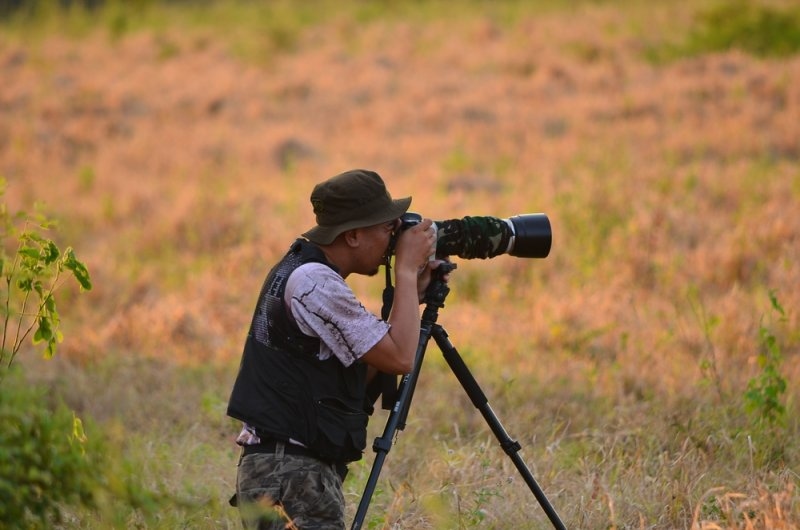
The world’s finest wildlife photograph locations feature unsurpassed opportunities for photographic experiences with the unique individuals of species not photographed otherwise anywhere else on the planet, in between savannah African nations as well as mountain ranges, and islands.
Whether you're interested in the thrills of safari photography, in broadening your wildlife travel experiences, or in finding some truly remarkable national park destinations for wildlife photography, any wildlife travel experience will be significantly more fruitful if you use a trusted national park guide.
Choosing a top destination for wildlife photography comes down to what animals you wish to photograph, and the specific time of year and other factors associated with them. Some locations are well known for their predator population, while others are more known for birds, marine life, or a famous migration. With proper research, wildlife travel experiences can be very rewarding.
Serengeti National Park is one of the greatest destinations for wildlife photography. It is renowned for the spectacular Great Migration, where, each year, literally millions of wildebeest and zebra are on a journey across the vast grasslands and can easily be found with their prey of lions, cheetahs, and crocodiles.
This makes it one of the ultimate destinations for safari photography, but the photographer should check to see if the migration is currently passing through and find out which safari guides will work with the photographer.
The Maasai Mara is one of the most exceptional destinations for wildlife photography, and its landscape shares the same migration route as the Serengeti. It is famous for elephants, giraffes, lions, leopards, and cheetahs, and although any time is a good time for safari photography in the Maasai Mara, the migration season here is especially popular.
Travel there is convenient and relatively inexpensive thanks to well-trained safari guides, affordable accommodation, and easy routes to travel. You will always find every national park guide talking about the importance of arriving before and during the morning light.
Yellowstone has earned its reputation as one of the best destinations for wildlife photography, with a variety of animals and a dramatic landscape. Photographers will often see bison, wolves, elk, bears, foxes, and bald eagles. With winter snow, there is a truly unique background with stunning photographs ready to be captured from its magnificent landscapes.
Animal travel is somewhat challenging since the animals usually are found spread out across huge distances. Relying on a national park guide can ensure safe viewing of and respect for any animals found.
Ranthambore is among the premier destinations for wildlife photography for those in search of photographing tigers. Both the lakes and ancient ruins, combined with the forest setting, make it an amazing destination for wildlife photography that you will not want to miss.
Other animals here often seen include leopards, crocodiles, deer, monkeys, and a variety of colorful birds. There may need to be quite a few different attempts at safari photography here depending on how easily the animals are found, so make sure you book more than one session.
The Galápagos Islands are probably one of the most impressive wildlife photography destinations because animals here are remarkably unconcerned with people. You will be able to photograph sea lions, giant tortoises, marine iguanas, blue-footed boobies, and penguins without making them nervous, making it a prime location for wildlife photography.
The focus of travel to the Galápagos is conservation, and you must use ethical photography practices. Every national park guide will explain what is acceptable when it comes to photography.
Kruger is certainly among Africa's most wildlife-rich and most fantastic wildlife photography destinations, especially if you wish to capture the world-renowned "Big Five" and any of the hundreds of bird species found there.
It is considered by many to be a top destination for safari photography as wildlife usually congregates at the watering holes in the early morning and early evening. Wildlife travel is easy with excellent roads, and there are a myriad of knowledgeable guides who can be hired to assist photographers.
Katmai is renowned among destinations for wildlife photography due to its population of large brown bears catching salmon at the Falls of Brooks River. This activity truly can't be beat, and while this isn't one of the easiest locations to get to for wildlife travel, photographs of these bears can be the wildlife photographs of a lifetime.
You can also find moose, foxes, bald eagles, and other migratory birds. Due to weather and season, this is not a destination to visit without a guide, and there is plenty to see and capture.
Discover More: Top 6 Stunning Islands to Visit in the Maldives
No matter how well-chosen the wildlife photography destinations, wildlife travel still calls for patience, diligence, and thorough preparation. Simply following these tips can yield impressive improvements in your photographs:
The best wildlife photography destinations are specific to a photographer's interests, budget, and desired level of experience. Some travelers aspire to do safari photography with large mammals, while others prefer birds, marine life, or the wonders of the Arctic. The season for the wildlife being sought out should always be researched prior to planning your travel to any wildlife photography destination.
Use a guide as much as possible, as this will aid in revealing what type of wildlife travel you are seeking, the weather associated with the trip, accessibility of locations and rules you must adhere to while photographing, and good viewing areas for specific animals.
Suggested Read: What Are the Top 10 Best Scuba Diving Destinations?
The world's best wildlife photography destinations can provide you with photos you'll remember forever. Whether it is safari photography in Africa, bears in Alaska, or marine life in the Galapagos, all wildlife travel destinations have a uniqueness that will appeal to various individuals. Using a national park guide will maximize your chances of having good results.
The ideal time of visiting varies according to destinations and wildlife. Many destinations are optimal during their respective migrations, mating, or dry seasons, during which animals congregate, giving optimum conditions for photography.
Yes, although you will require a fairly long lens. But no, you don’t have to invest too much! You can even use your beginner-level camera and achieve good results provided you time your trip well, display patience, and know the animal.
Always obey the guide’s commands, maintain a reasonable distance from the animals, avoid startling them with sudden movement, and never offer food. Your national park tour guide will be responsible for managing the conditions.
Safari photography requires photographers to photograph spontaneous wildlife in their respective habitats. It tests your reflexes, handling of lighting variations, waiting for the appropriate situation, respecting animals, and getting that spectacular shot without making an intrusion into the animal’s peaceful life.
Practice in advance of your journey with your digital camera at different settings, research the behavior of the animal, study different light conditions, visit various wildlife destinations from time to time, and after returning back critically analyze your photographs.
This content was created by AI